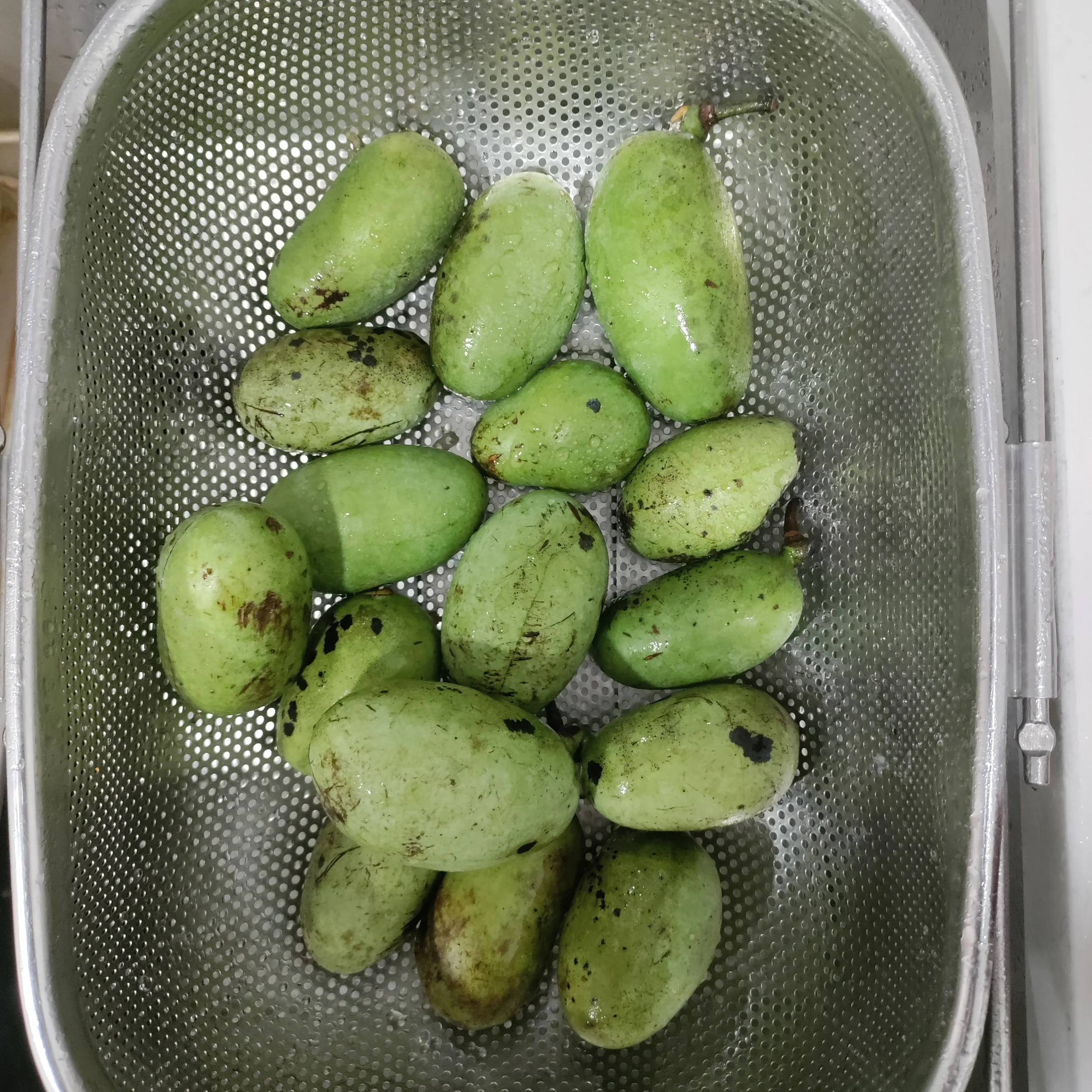
About 7 years ago, my wife and I started a new family tradition with her immediate family: every fall, we find a day to get together to forage for paw paws, then make recipes from the harvested fruit.
I hadn’t even heard of paw paws until a friend mentioned them maybe 8 years ago. I did some research, realized that they grew in my immediate area, and set out to find some. The first time, we all met on a humid day in September at the designated spot, a hidden trail along the Monocacy river.
With buckets and baskets in hand, we set out on our quest, joking and singing the famous paw paw folk song my mother-in-law remembered from her childhood. We trekked for a good while until a passing local led us to the area containing the paw paw trees.
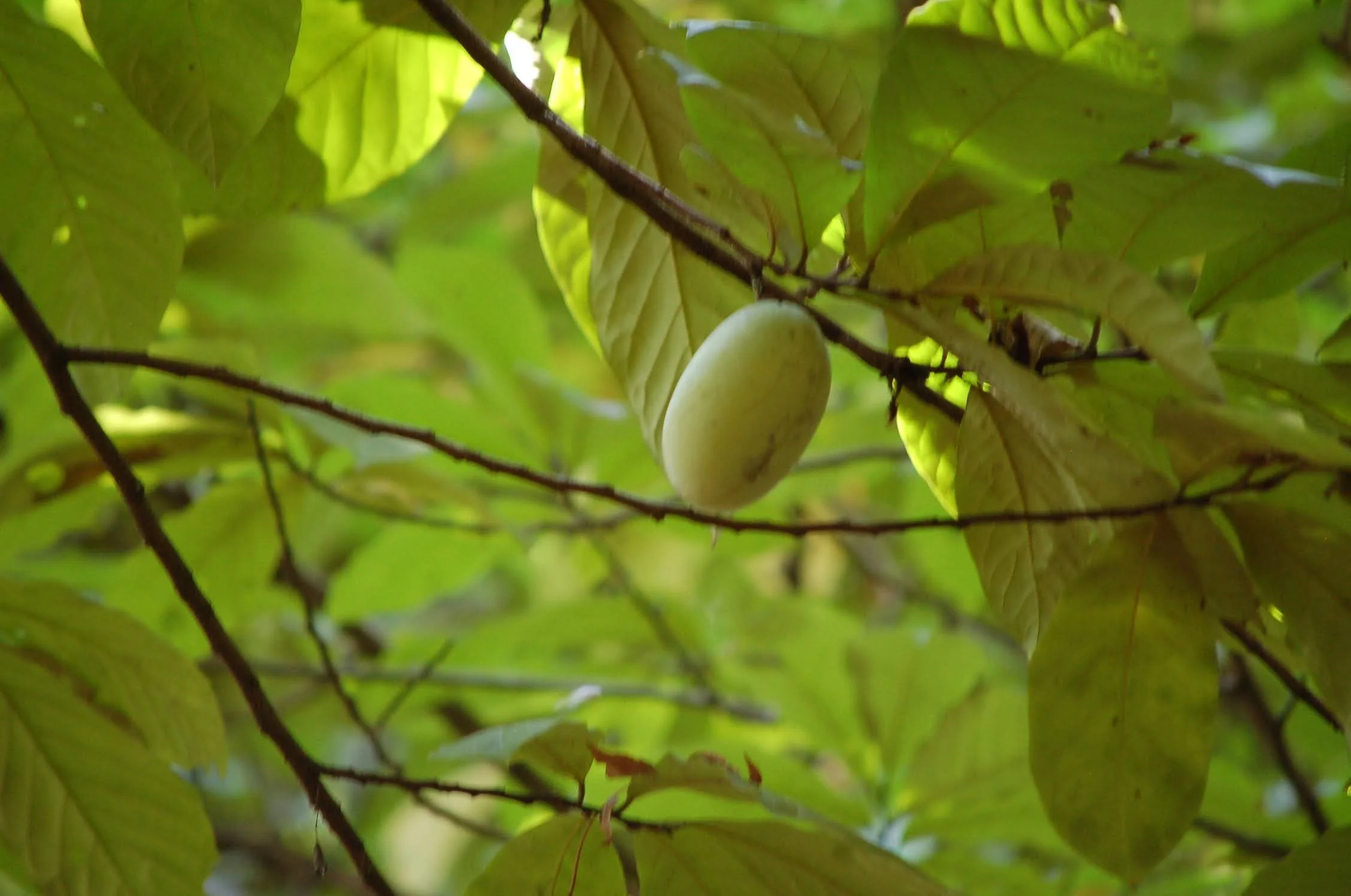
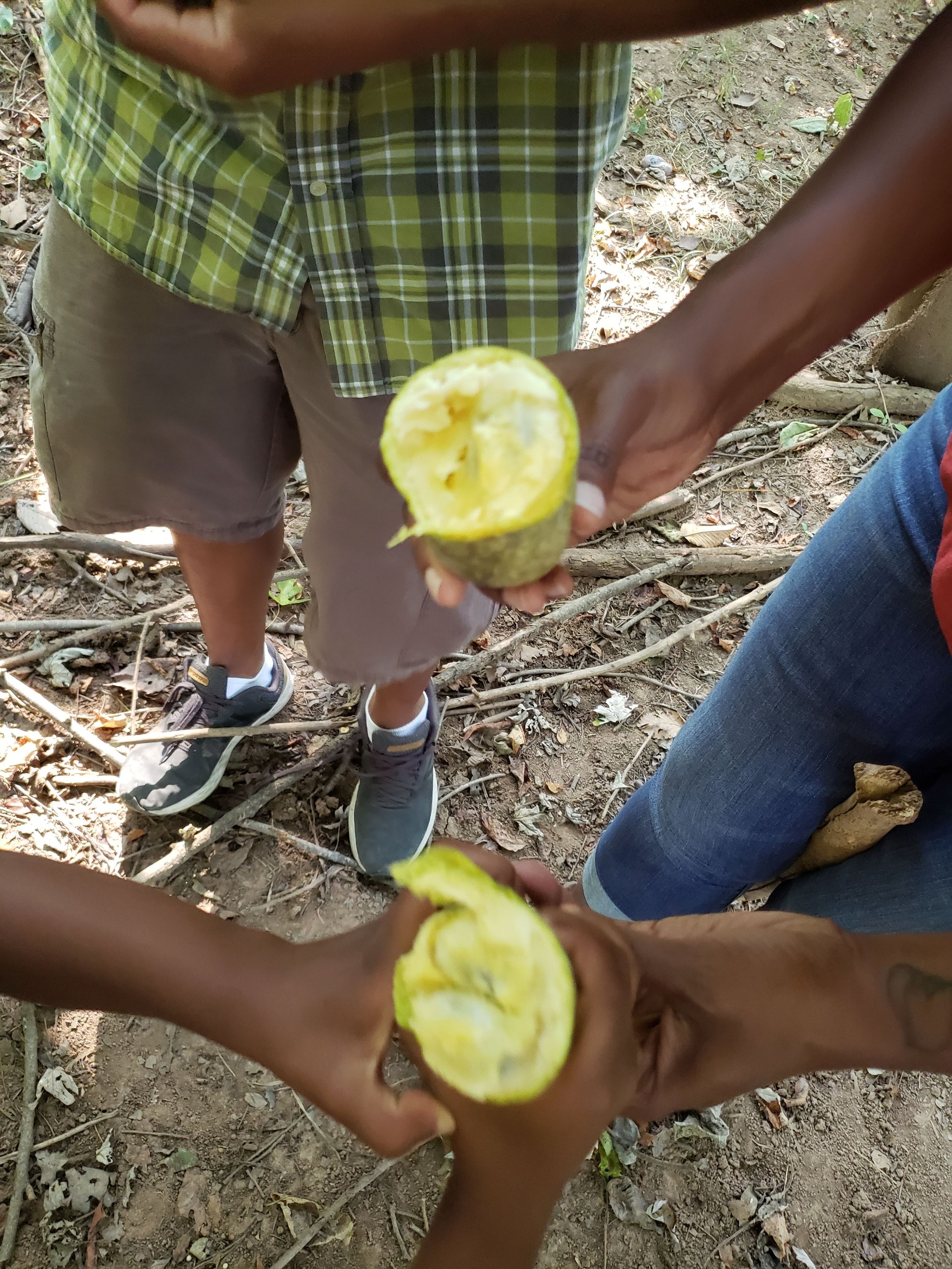
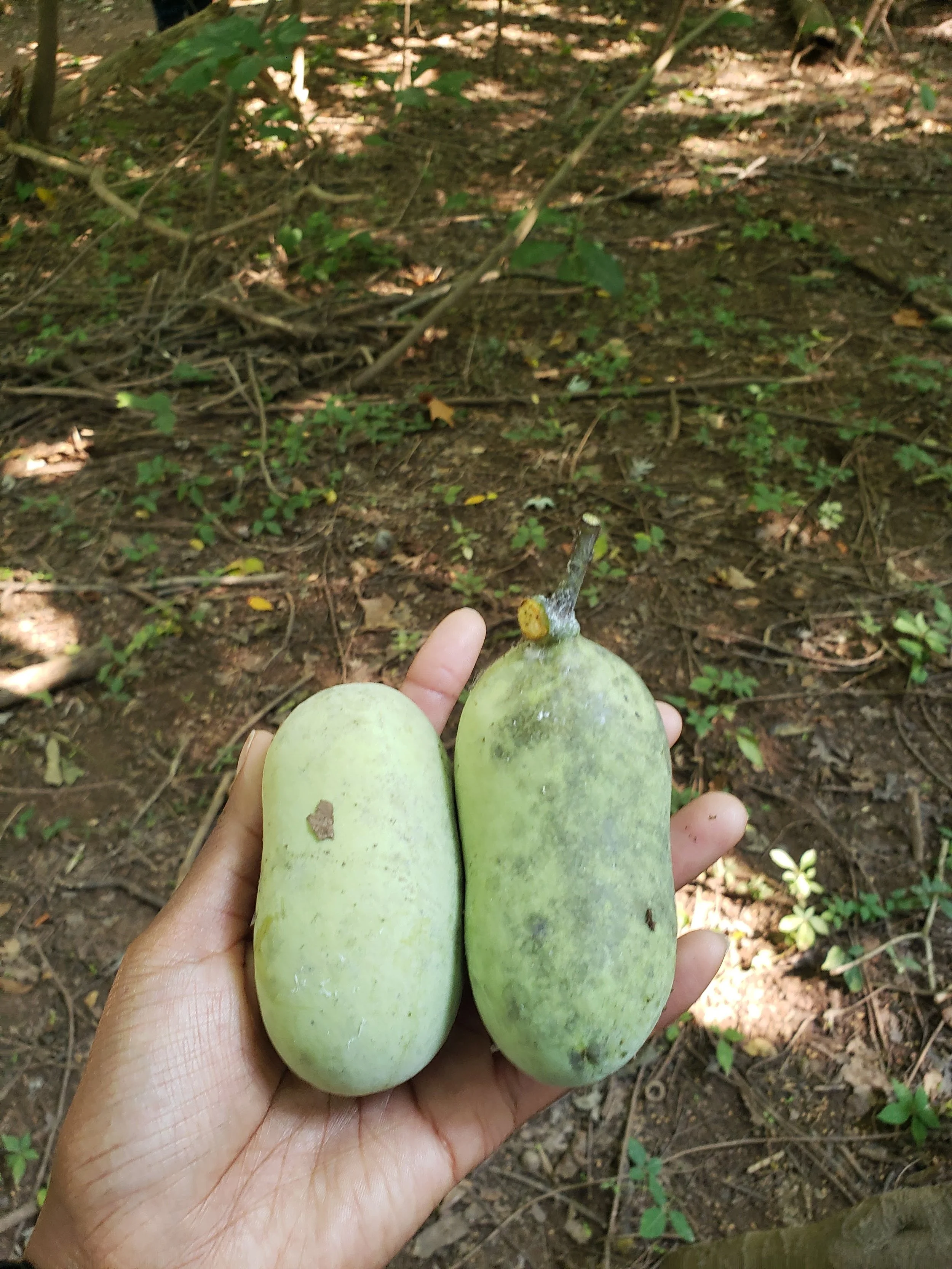
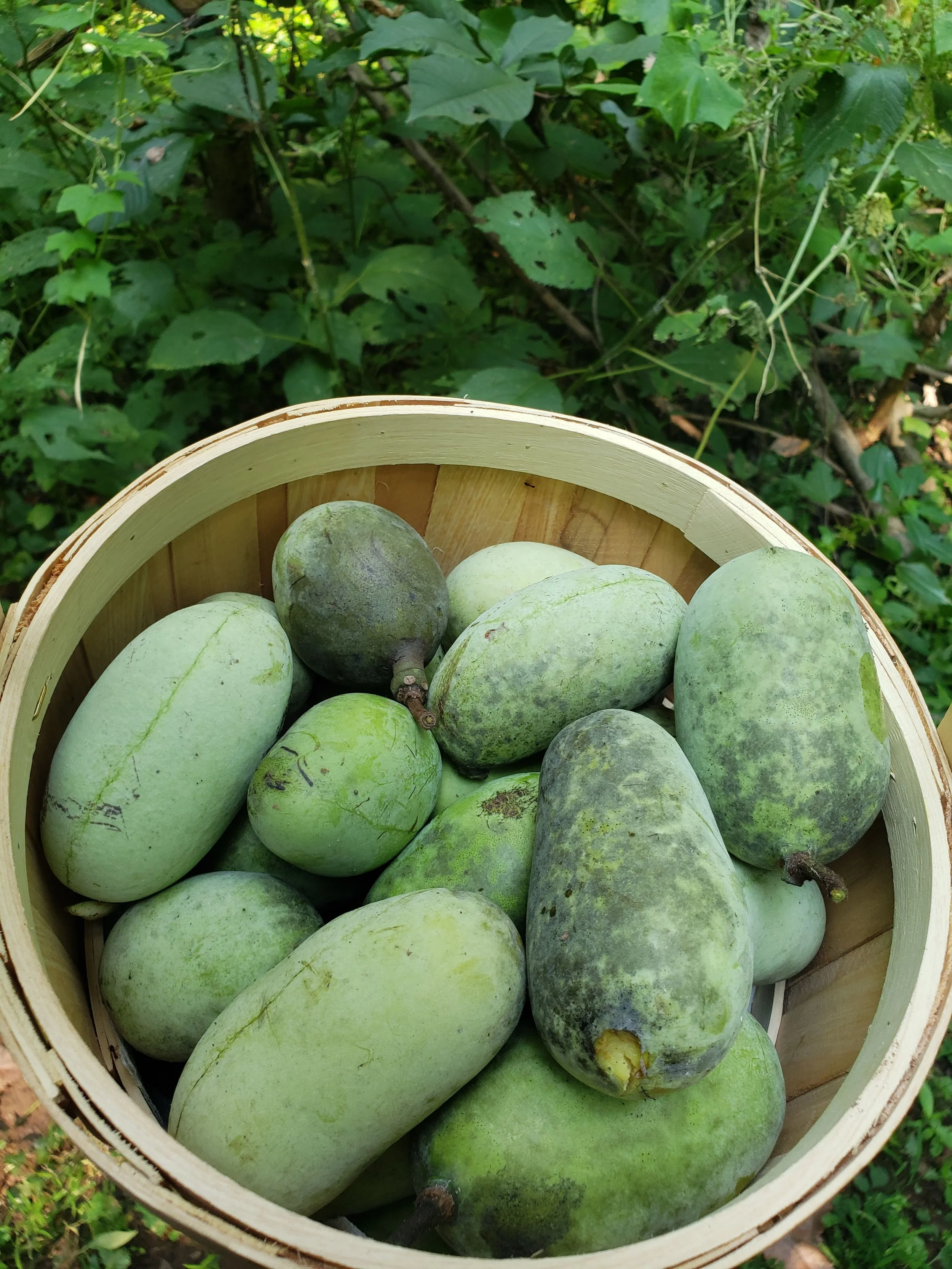
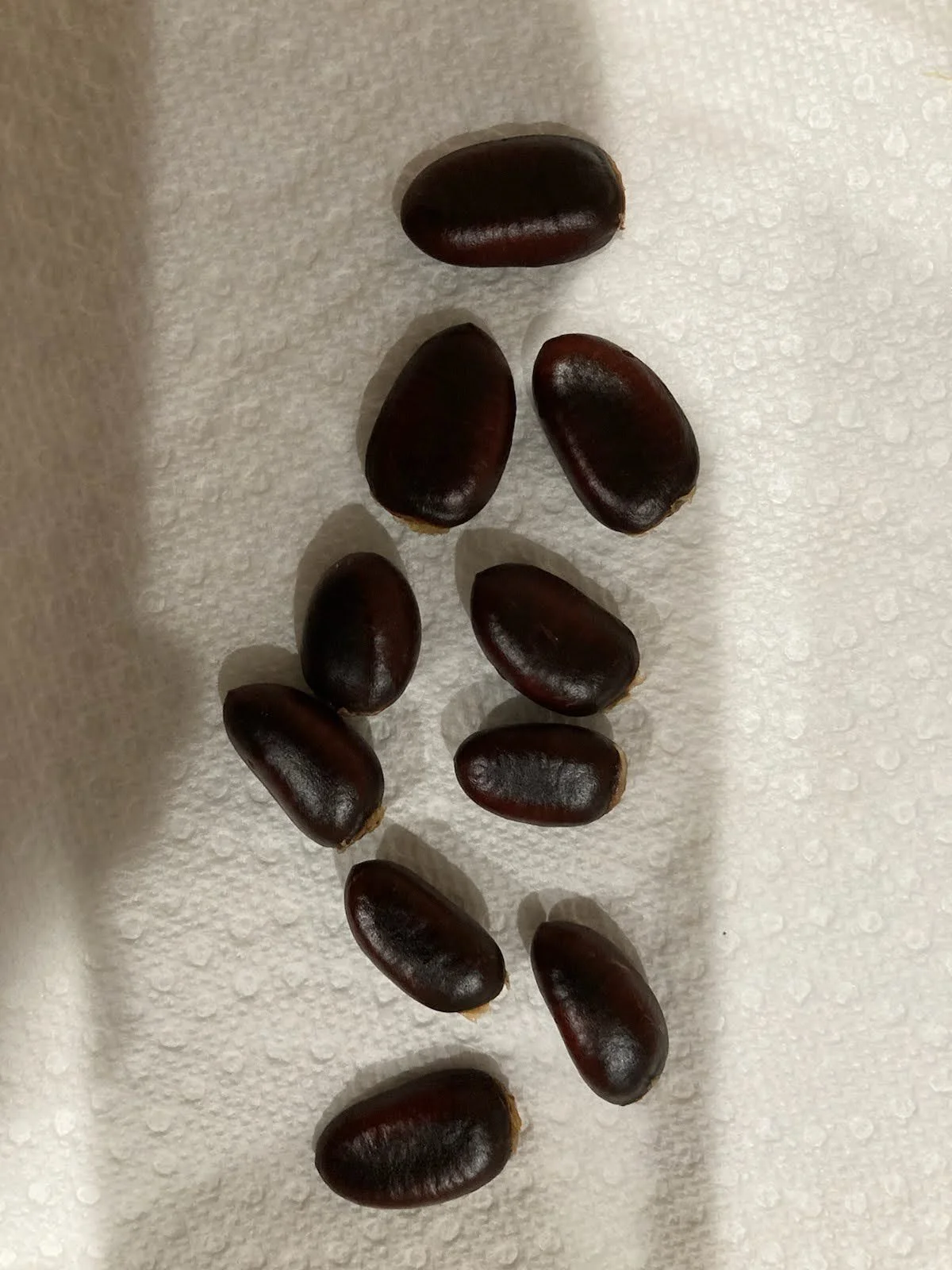
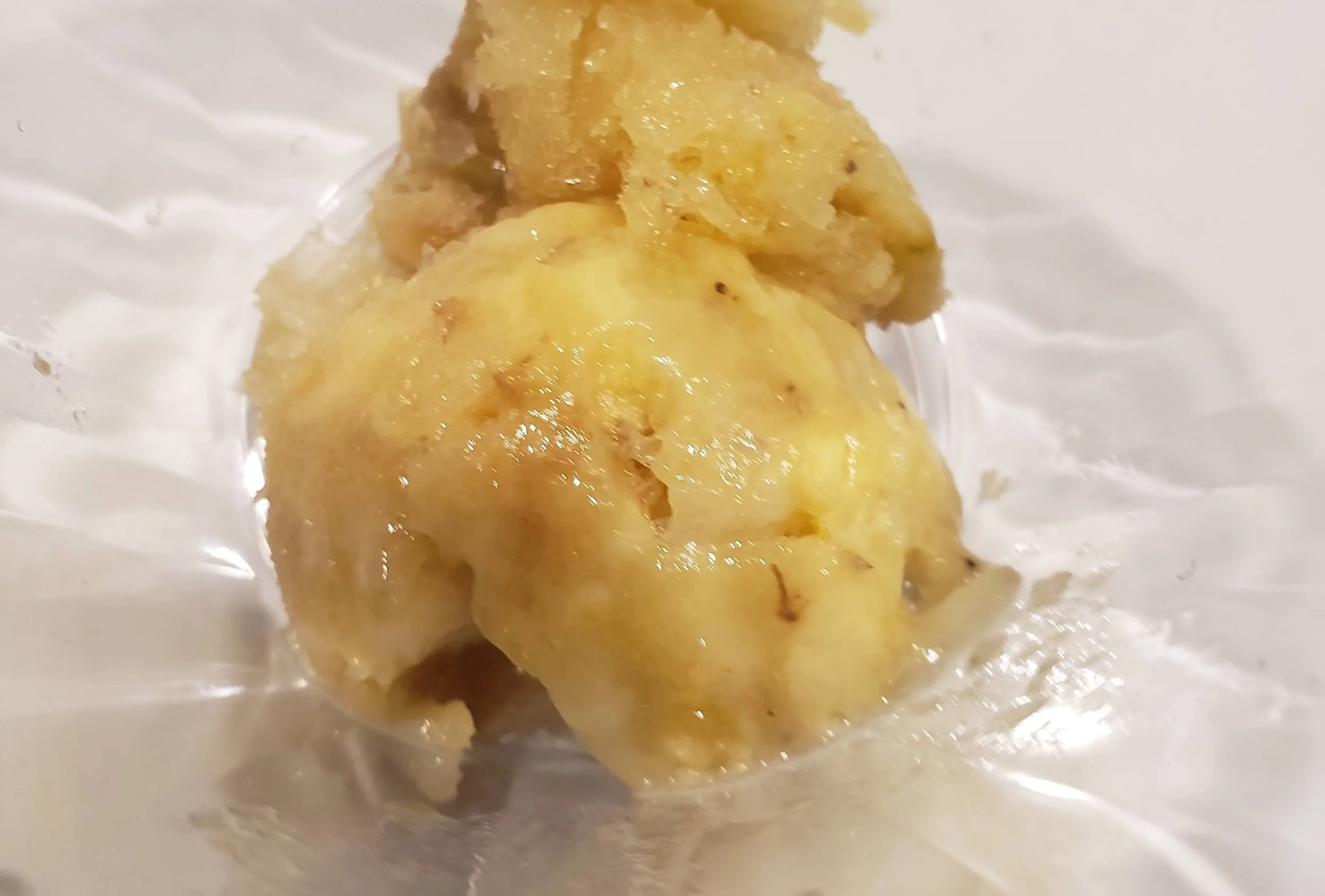
We smelled the ripe, fermented fruit on the ground before we spotted them. Once we finally saw them in the trees, we shook them loose from the branches and picked up the ones that had fallen to the ground. We noticed that the skin was a pale green color and was sometimes mottled with dark spots. Curiosity got the best of us, so we split open a few to sample. The seeds were very large and looked a little like dark brown eggs in a yellow crate. The mushy flesh was bright yellow and had the aroma of tropical fruit. The taste was hard to pin down, but we eventually settled on part banana, part mango, with a hint of alcohol-like fermentation.
Since that first outing, we’ve made our paw paw hunts an annual tradition. Not even COVID stopped us. We usually return to the first spot, since other patches we’ve tried haven’t yielded nearly as many fruit, but we continue to look for new locations.
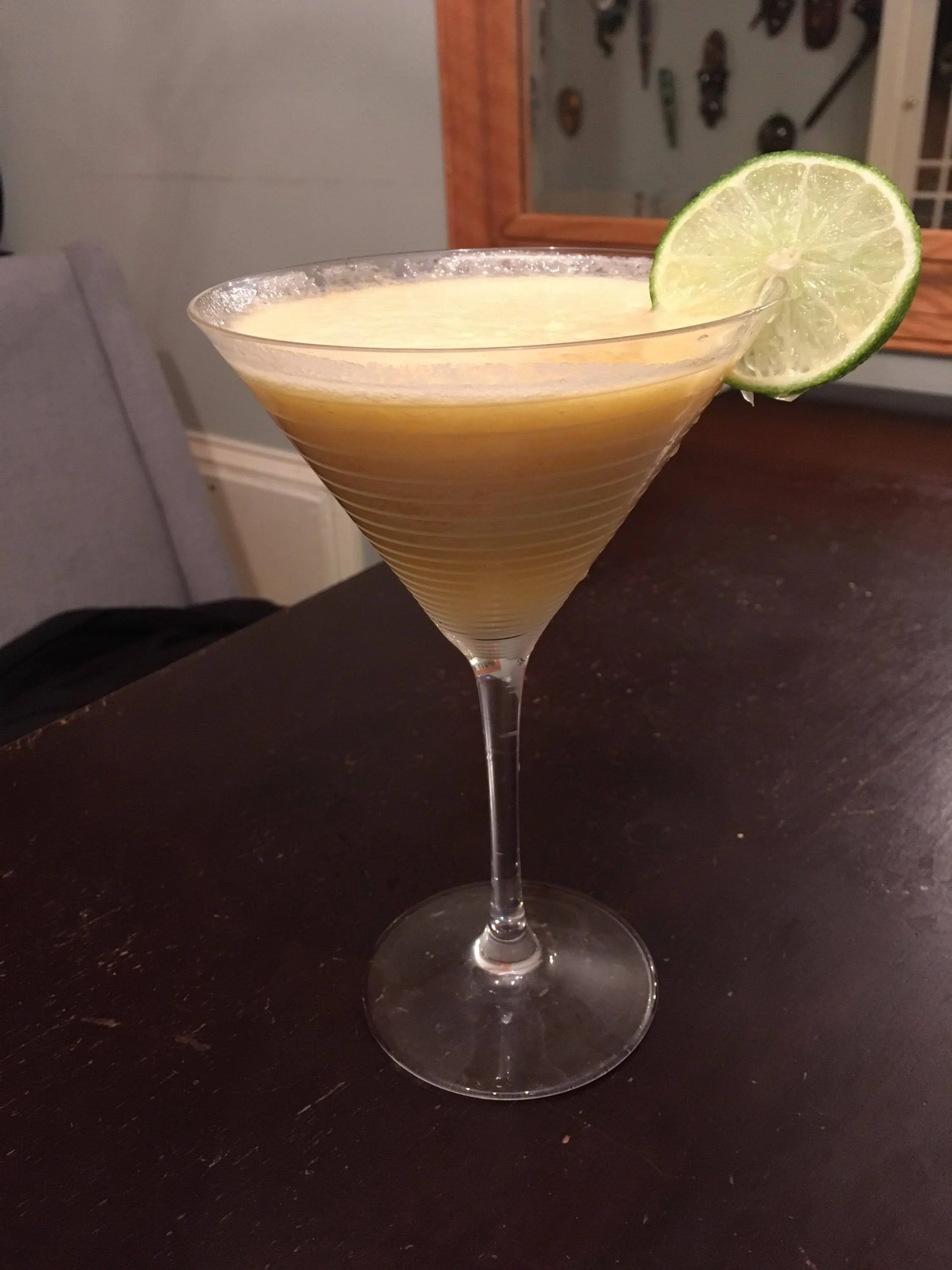
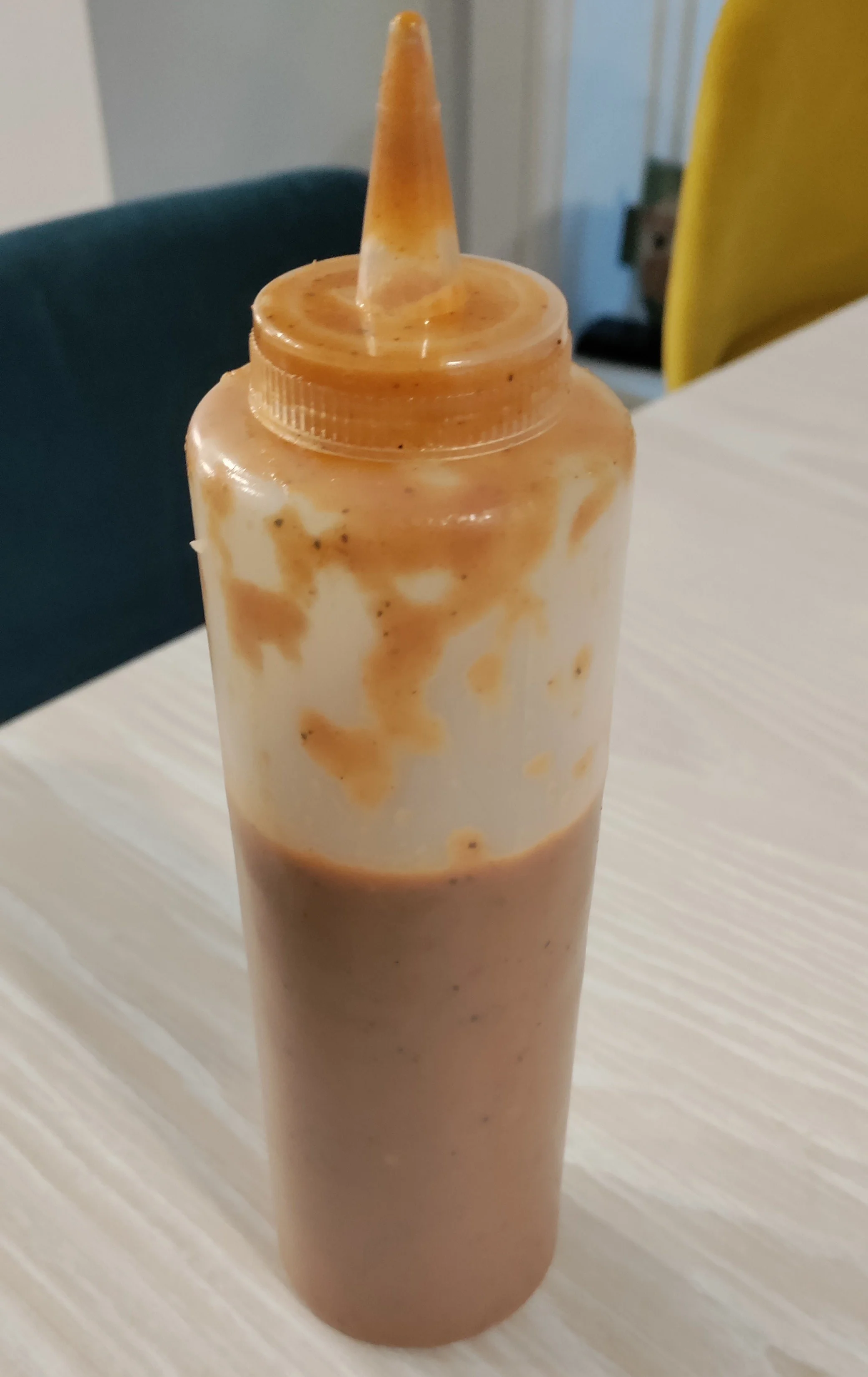
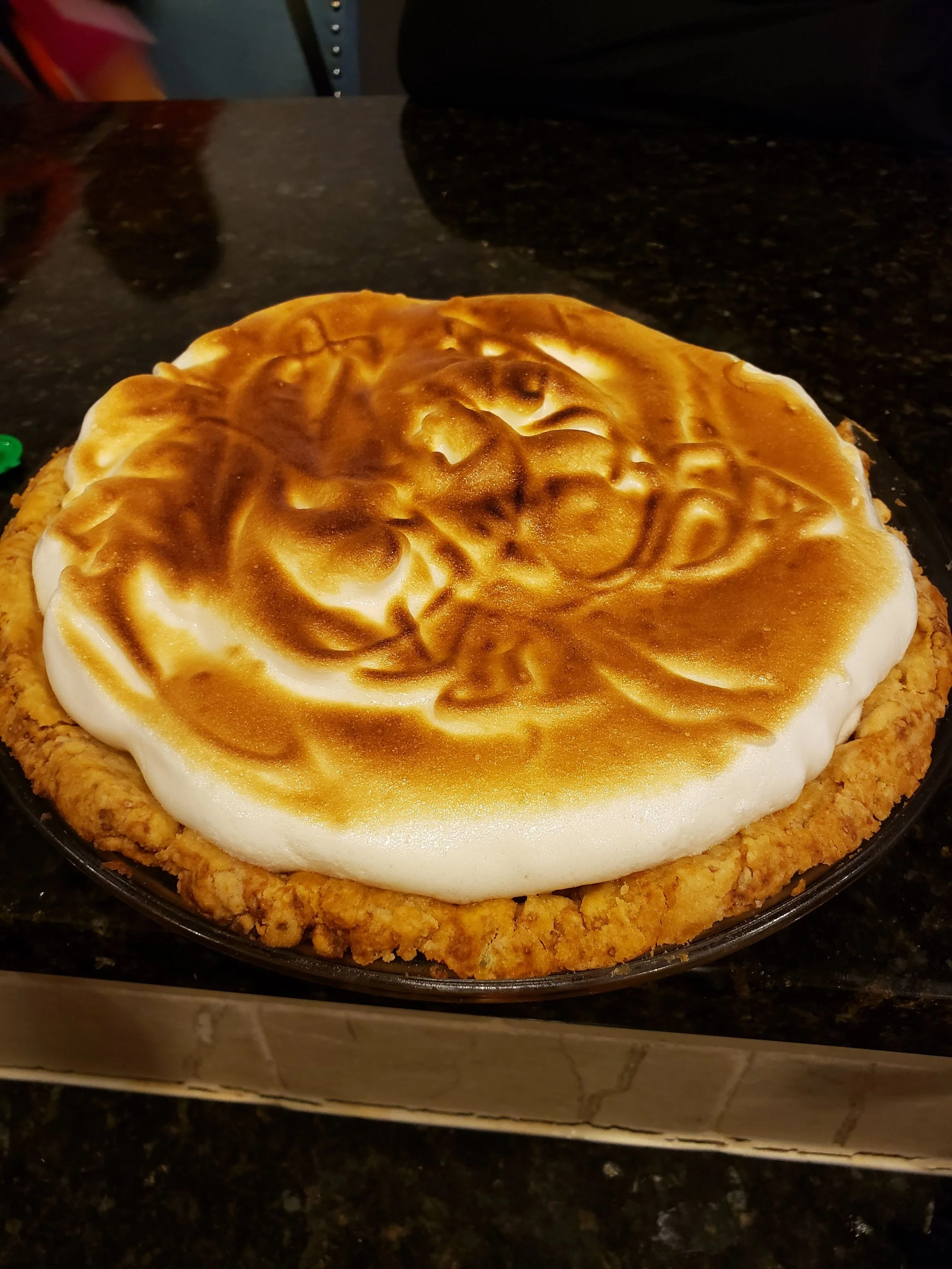
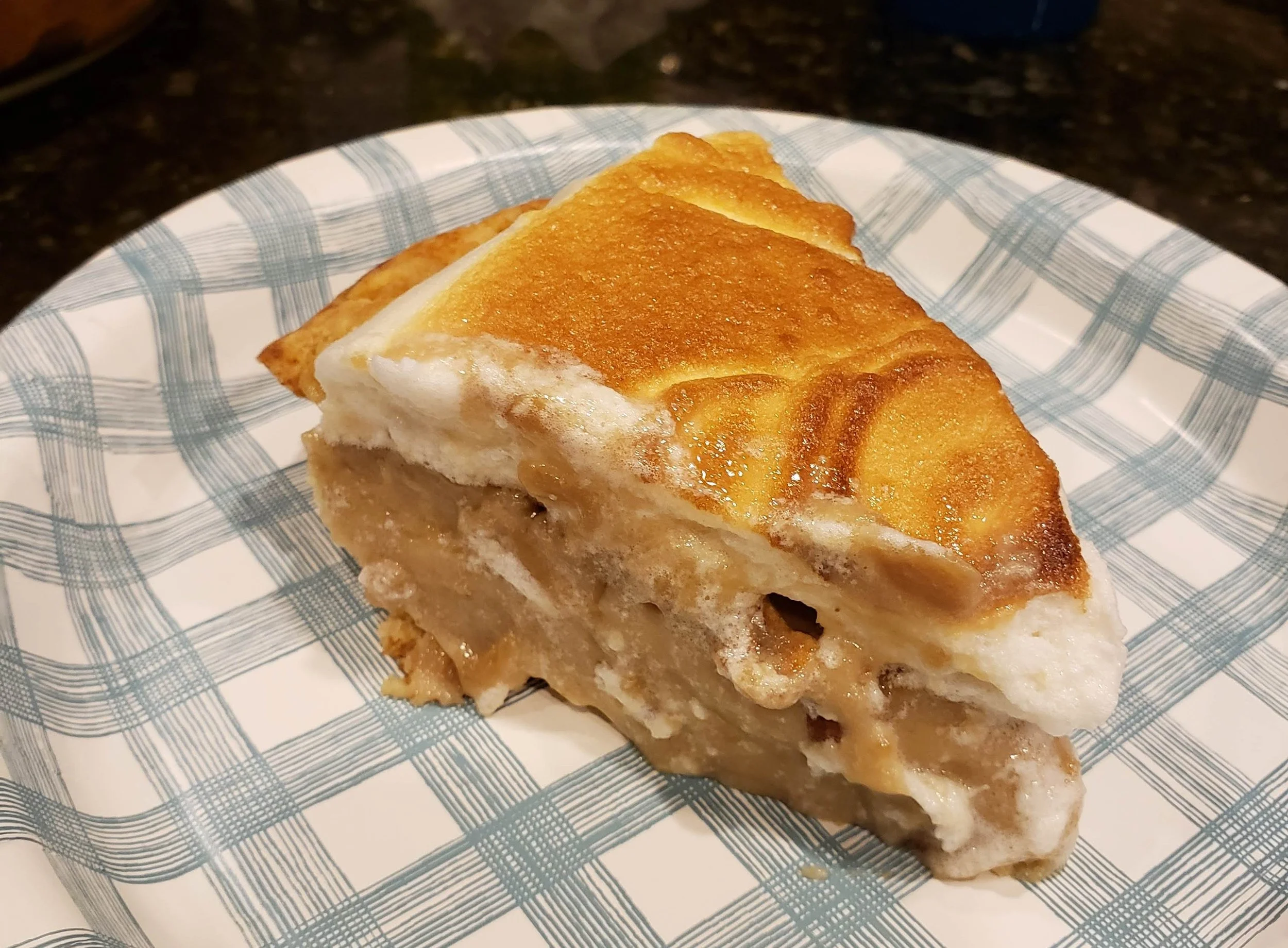
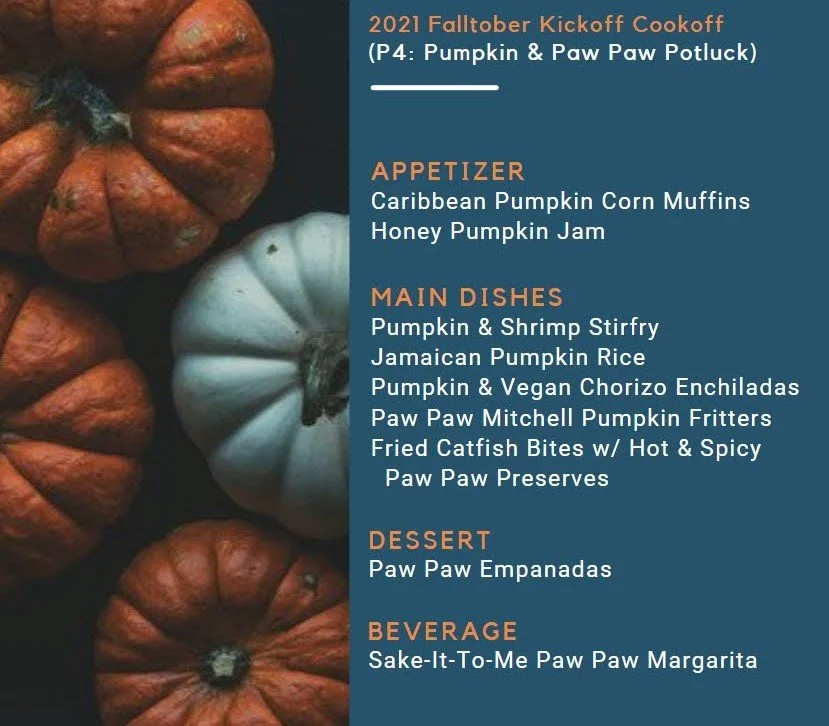
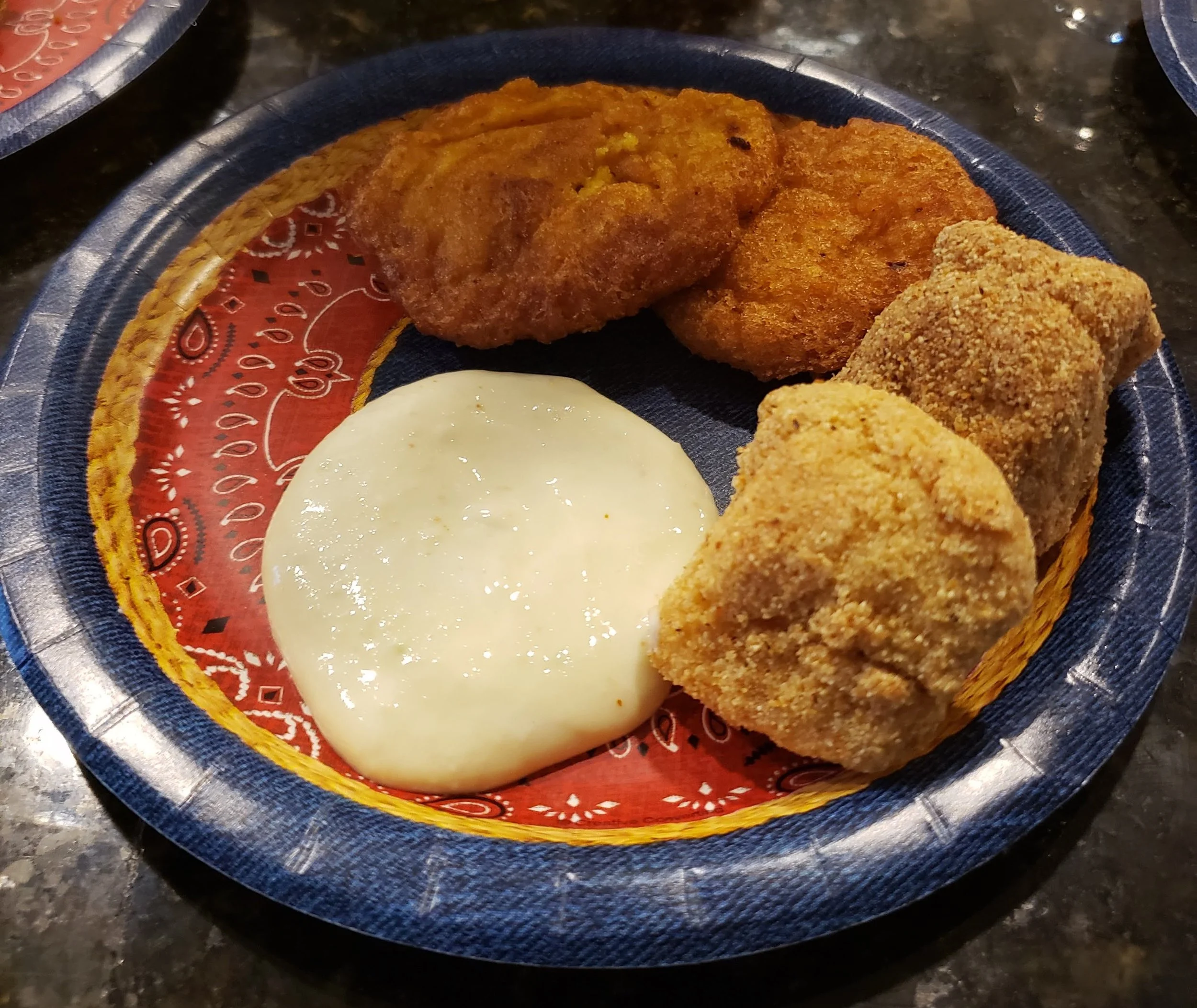
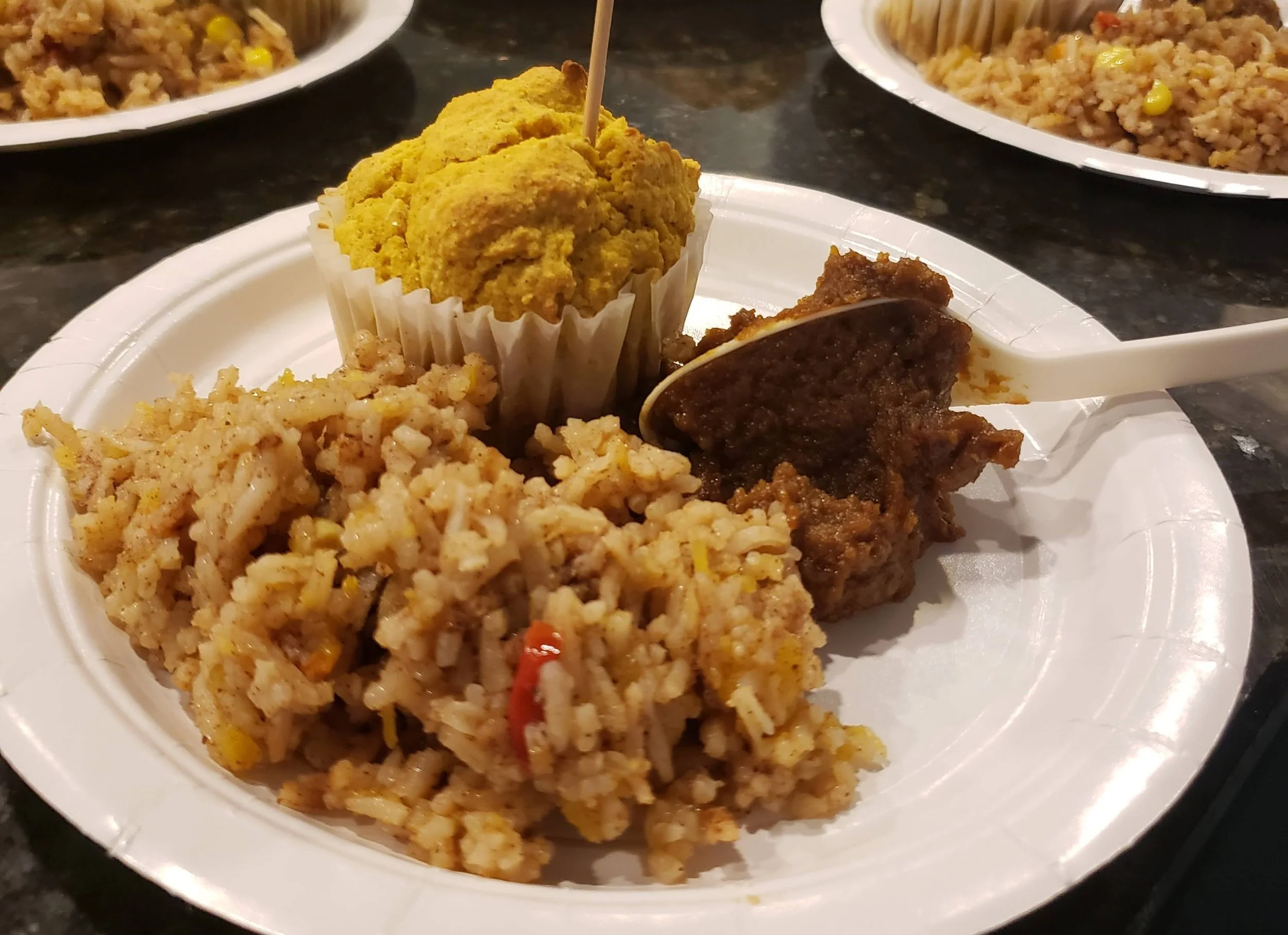
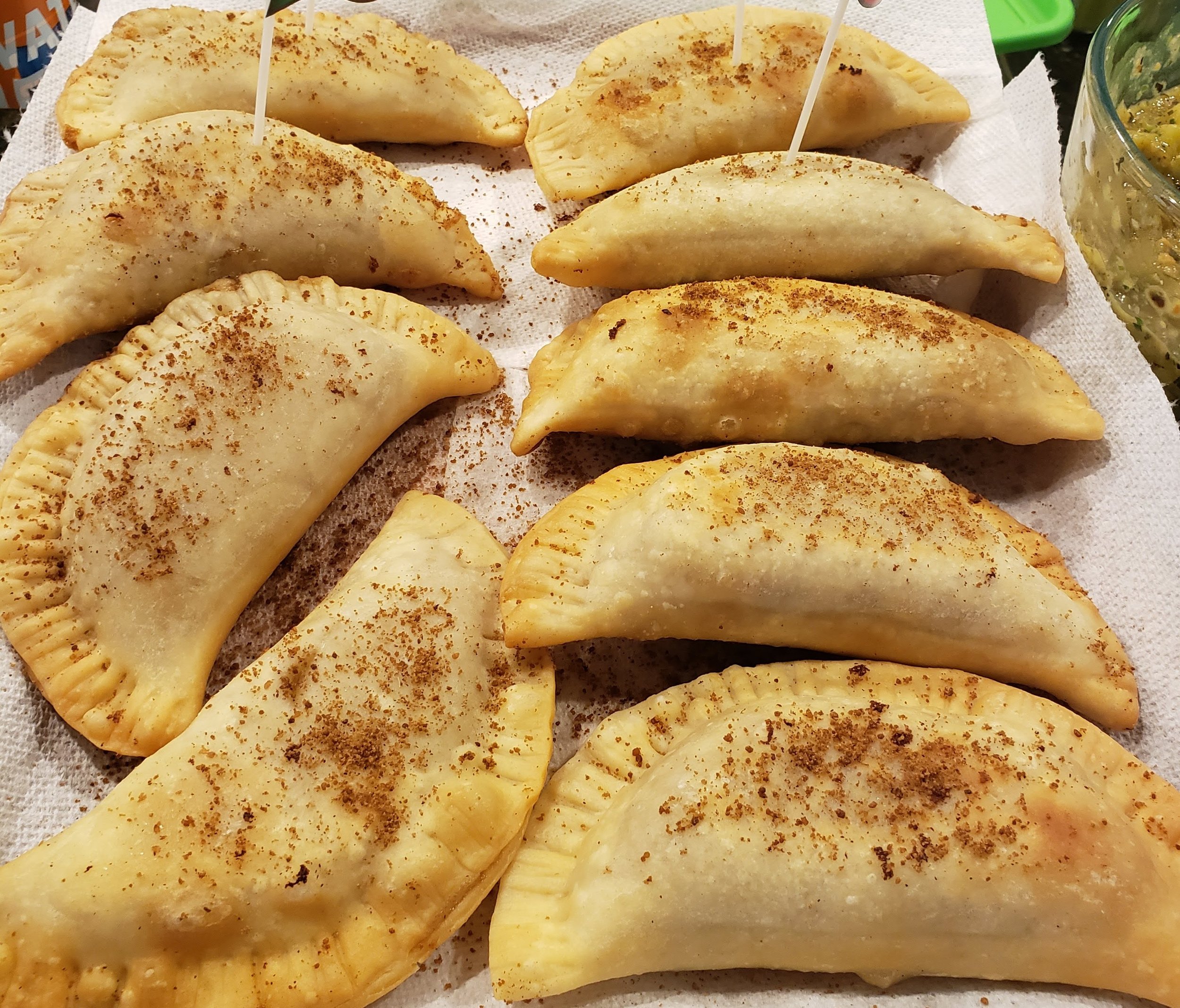
For most of the group, the search is the main thing; the actual fruit are just an afterthought. However, those of us who are inclined have made some interesting dishes. For instance, collectively, we’ve made meringue pie, bread, empanadas, margaritas, jam, ice cream, and preserves using the harvested paw paws; I personally have made daiquiris, curry with rice, semifreddo, and barbecue sauce from them.
In the foreword to Andrew Moore’s James Beard Award Nominated book Pawpaw: in search of America's forgotten fruit, Michael W. Twitty references his research that enslaved African Americans ate, cultivated, and harvested paw paws, as they resembled fruit from Western Africa.
Knowing all of this makes me feel fortunate— first, to be in the right geographic area, and second, to have a family that is willing to join in this new tradition.